
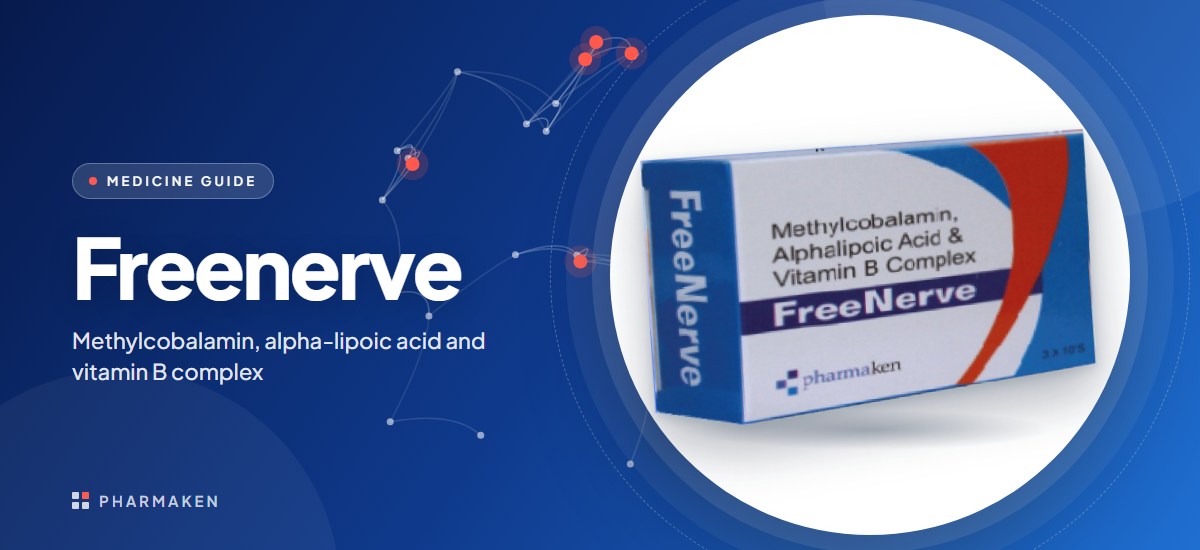
Peripheral neuropathy causes burning, tingling, numbness and pain, usually in the feet and hands. In Kenya, diabetes is a leading cause, along with vitamin B12 deficiency, alcohol, HIV and some medicines. Freenerve methylcobalamin supplements combine two nutrients involved in nerve health: methylcobalamin, the active form of vitamin B12, and alpha-lipoic acid, an antioxidant. This guide explains what each ingredient does, what the evidence shows and how Freenerve fits alongside treatment of the underlying cause.

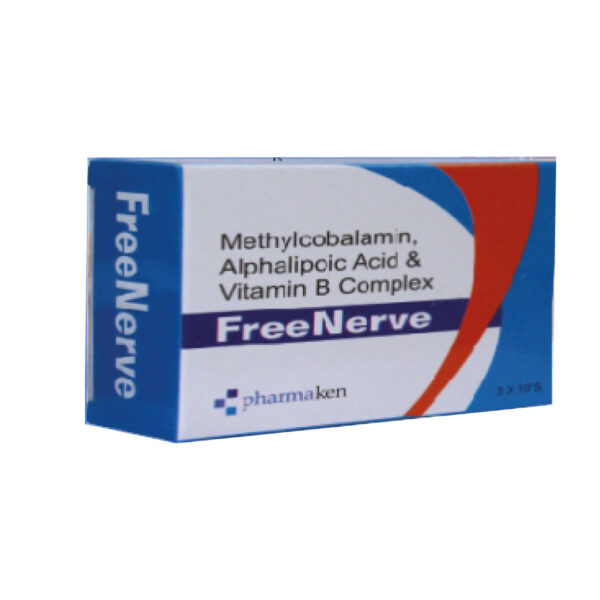
Available from Pharmaken: Freenerve.
What is Freenerve?
Freenerve is a food supplement from Pharmaken. Each dose contains:
- Methylcobalamin 1500 micrograms (mcg), an active coenzyme form of vitamin B12;
- Alpha-lipoic acid 100 mg, a natural antioxidant also called thioctic acid.
Note that the methylcobalamin dose is 1500 micrograms, which equals 1.5 mg. Some product listings show “1500 mg”, but that is a unit error. Check the pack label for the exact composition.
How Freenerve methylcobalamin works
Methylcobalamin: vitamin B12 for nerve repair
Vitamin B12 is essential for myelin, the fatty sheath that insulates nerve fibres. It also supports DNA synthesis and the conversion of homocysteine to methionine. When B12 is deficient, myelin breaks down, and nerves conduct signals poorly. As a result, patients develop numbness, tingling, poor balance and, eventually, permanent damage.
Methylcobalamin is one of the two active coenzyme forms of B12. It is used directly in the methylation reactions that support nerve cells. Laboratory and animal studies suggest it promotes regeneration of injured nerves. In practice, high oral doses, such as 1000 to 2000 micrograms daily, can correct B12 deficiency in most people, even when absorption is impaired.
Alpha-lipoic acid: an antioxidant for nerves
In diabetes, high glucose generates oxidative stress, which damages small blood vessels and nerve fibres. Alpha-lipoic acid neutralises free radicals and regenerates other antioxidants, such as vitamins C and E. It may also improve blood flow to nerves.
What does the evidence show?
The evidence is strongest where B12 deficiency is present. Replacing B12 in deficient patients can stop progression and often improves symptoms.
For alpha-lipoic acid, trials such as ALADIN and SYDNEY showed symptom improvement in diabetic neuropathy. However, most positive trials used 600 mg a day, often given intravenously at first. Freenerve contains 100 mg per dose, so its alpha-lipoic acid contribution is lower than in those studies. Furthermore, a long-term trial (NATHAN 1) did not show a clear benefit on the main nerve function measure.
Therefore, Freenerve methylcobalamin supplementation is best viewed as nutritional support. It should complement, not replace, the treatment of the underlying cause and proven neuropathic pain medicines.
Who may benefit?
- People with diabetes on long-term metformin, which lowers B12 levels over time;
- People with confirmed or suspected B12 deficiency, such as older adults, vegetarians and vegans;
- patients with diabetic peripheral neuropathy, as an adjunct to glucose control and foot care;
- patients with neuropathy linked to alcohol use or poor diet, alongside abstinence and nutrition;
- people on long-term proton pump inhibitors, which can reduce B12 absorption.
The World Health Organization notes that diabetes is rising quickly, and neuropathy is one of its most common complications. Good glucose control remains the most important step to prevent it.
Dosage and use
- Take Freenerve as directed on the pack or by your clinician, usually once daily after food.
- Swallow it whole with water.
- Expect gradual improvement. Nerve repair takes weeks to months, so continue for at least two to three months before judging the effect.
Severe B12 deficiency, especially with neurological signs or pernicious anaemia, may need intramuscular B12 injections at first. A clinician should assess these patients.
Safety and precautions
- Hypoglycaemia: alpha-lipoic acid may slightly lower blood glucose. People on insulin or sulfonylureas should monitor their glucose.
- Thyroid medicine: alpha-lipoic acid may interfere with thyroid hormone. Separate doses, and monitor thyroid function if needed.
- Thiamine deficiency: people with heavy alcohol use may need thiamine, because alpha-lipoic acid can worsen thiamine deficiency.
- Diagnosis first: neuropathy has many causes. Check blood glucose, B12, kidney function and other relevant tests before attributing symptoms.
- Allergy: do not use if allergic to any ingredient.
Possible side effects
Both ingredients are generally well tolerated. Occasionally, people notice:
- nausea, stomach upset or diarrhoea;
- headache;
- skin rash or itching, which is rare;
- a slight drop in blood glucose in people with diabetes.
Interactions
- Insulin and oral glucose-lowering drugs: monitor glucose.
- Levothyroxine: separate the doses.
- Metformin, PPIs and colchicine reduce B12 absorption, so supplementation may help.
Pregnancy and breastfeeding
Vitamin B12 is safe and important in pregnancy. However, data on alpha-lipoic acid supplements in pregnancy are limited. Therefore, pregnant or breastfeeding women should use Freenerve methylcobalamin only on medical advice.
Counselling points
- Check your feet daily if you have diabetes, and report wounds or colour changes.
- Keep blood glucose, blood pressure and cholesterol well controlled.
- Reduce alcohol, stop smoking and eat a balanced diet.
- Seek review if weakness, falls or bladder problems develop.
Storage
Store below 30 °C, away from light and moisture. Keep it out of the reach of children.
Where Freenerve fits in neuropathy care
Managing peripheral neuropathy starts with finding the cause. For example, check HbA1c, vitamin B12, thyroid function, kidney function and, where relevant, HIV status. Then, treat what you find. In diabetes, tight glucose control slows progression. Likewise, stopping alcohol and correcting deficiencies helps many patients. For painful neuropathy, proven medicines such as pregabalin, duloxetine or amitriptyline relieve pain better than supplements. Meanwhile, Freenerve methylcobalamin can support nerve health, especially when B12 is low or metformin is long-term. Finally, protect the feet. In practice, daily checks, good footwear and prompt wound care prevent ulcers and amputations.
For healthcare professionals and facilities: request a quotation or product samples through the Pharmaken healthcare portal, or contact our Mombasa and Nairobi teams for product information.
Frequently asked questions
Can Freenerve cure neuropathy?
No supplement cures neuropathy. However, correcting B12 deficiency can stop progression and improve symptoms, and the antioxidants may help some people.
Is Freenerve methylcobalamin useful for people on metformin?
Yes, it can be. Long-term metformin lowers B12, so supplementation helps prevent deficiency, especially when symptoms appear.
How long until I feel better?
Nerve repair is slow, so improvement usually takes weeks to months.
Key takeaways
- Freenerve methylcobalamin combines active vitamin B12 (1500 mcg) with alpha-lipoic acid (100 mg).
- It supports nerve health, especially when B12 is low or diabetes is present.
- Evidence is strongest for B12 replacement in deficiency.
- Treat the underlying cause, and use proven neuropathic pain medicines where needed.
References and further reading
- World Health Organization: Diabetes fact sheet
- World Health Organization: Malnutrition fact sheet
- Approved product information for Freenerve (Pharmaken Ltd); always consult the package insert.
Important: This article is educational information for healthcare professionals. It does not replace the approved product information, clinical guidelines or professional judgement. Dosing must be individualised by the prescriber. Report suspected adverse drug reactions or poor-quality medicines to the Pharmacy and Poisons Board through pv.pharmacyboardkenya.org.